90 Killed in China Coal Mine Blast at Shanxi’s Liushenyu Mine
At least 90 people are dead after a gas explosion tore through a coal mine in northern China on Friday night — one of the deadliest mining disasters the country has seen in years.
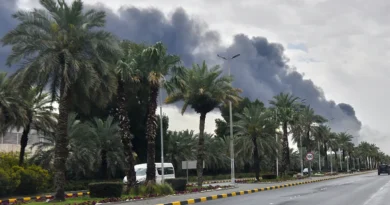
The blast hit the Liushenyu Coal Mine in Shanxi Province at around 7:30 in the evening, local time. The mine is operated by the Tongzhou Group. At the time, 247 workers were underground on duty. Twenty-seven survivors are currently in hospital — one in critical condition — with most affected by poisonous gas inhalation. Rescue teams are still working at the site.
One of those survivors, injured miner Wang Yong, described the moment it happened in chilling detail. He said he didn’t hear an explosion — just a sudden wall of smoke.
“I smelled sulphur, the same smell you get from blasting. I shouted at people to run. As we were running I could see people collapsing from the fumes. Then I blacked out too. I lay there for about an hour or so before I came round on my own. I woke up the person next to me and we got out together.”
State media reports that carbon monoxide levels inside the mine had “exceeded limits” at the time of the blast — though the full cause of the explosion hasn’t been confirmed yet.
A mine with a known track record
This disaster didn’t come out of nowhere. Back in 2024, the Liushenyu mine was flagged as a “severe safety hazard” by China’s National Mine Safety Administration. And this year alone, the Tongzhou Group had already received two administrative penalties for safety violations before Friday’s explosion.
Mine officials have since been detained, according to state media.
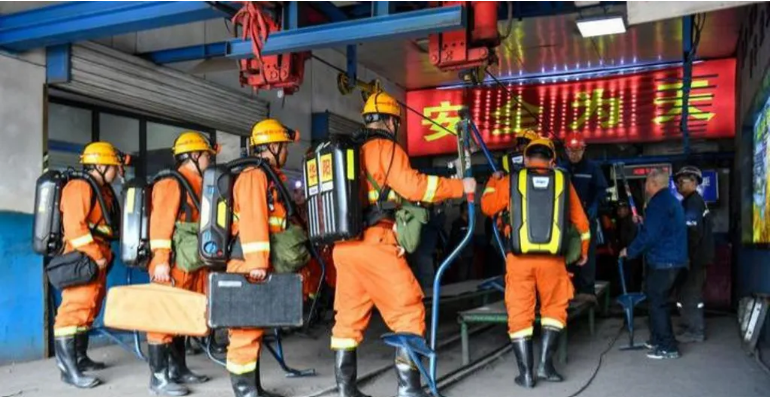
China’s Ministry of Emergency Management deployed 345 personnel across six rescue teams to assist with the operation. President Xi Jinping responded swiftly, calling on authorities to spare no effort in treating the injured and finding survivors — and personally calling for a full investigation to identify and hold accountable those responsible.
Coal, safety, and a recurring problem
Shanxi Province is the beating heart of China’s coal industry, producing more than a quarter of the country’s total coal output. It’s also, historically, one of its most dangerous regions for miners.
In the early 2000s, deadly mine accidents in China were almost routine. Safety regulations have been strengthened considerably since then — but as Friday made clear, the problem hasn’t gone away. In 2023, a collapse at an open-pit mine in Inner Mongolia killed 53 people. In 2009, an explosion in Heilongjiang killed over 100.
China remains the world’s largest coal consumer and its biggest emitter of greenhouse gases — even as it simultaneously breaks records in renewable energy installation. That contradiction sits at the center of its energy story.
The explosion comes just days after China hosted both US President Donald Trump and Russian President Vladimir Putin for high-profile diplomatic visits — a reminder that even amid global attention, life underground in Shanxi carries risks that state policy hasn’t fully solved.