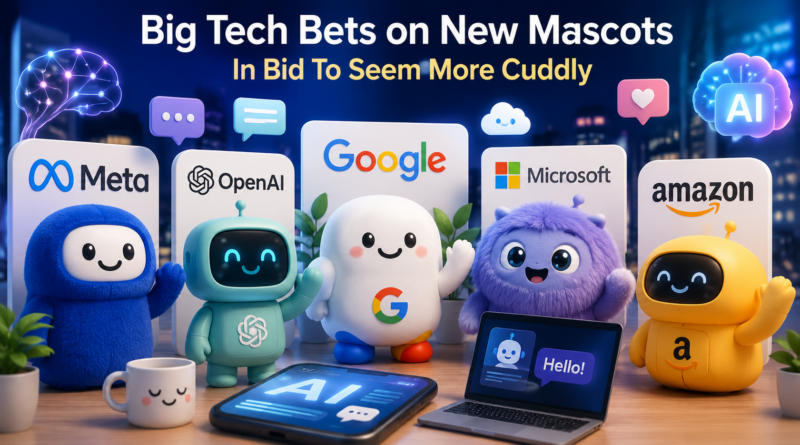
Why Big Tech Companies Are Betting On Cute Mascots
Big tech companies are entering a new branding era. Instead of cold logos and corporate messaging, many are now introducing playful mascots, animated AI assistants, and friendly digital characters designed to feel more human.
From artificial intelligence chatbots to virtual assistants and social media platforms, tech firms are racing to make their products appear warmer, safer, and easier to trust. The strategy is simple: people are more likely to engage with technology that feels approachable.
As competition in artificial intelligence, social media, and consumer apps intensifies, companies are no longer focused only on performance. They also want emotional connection.
That shift explains why more brands are using cartoon mascots, AI companions, and human-like personalities across their platforms.
The rise of AI technology has made many users uneasy. Concerns about privacy, misinformation, surveillance, and job losses continue growing worldwide. Tech companies understand that fear can slow adoption, especially as AI tools become more deeply integrated into daily life.
Friendly characters help soften that image.
Instead of presenting artificial intelligence as cold software, companies package it as something conversational and supportive. The goal is to make users feel comfortable interacting with advanced technology.
This strategy has become especially visible in the race for AI chatbot dominance.
Companies developing generative AI platforms now focus heavily on personality and design. AI assistants are increasingly given names, voices, emojis, animations, and conversational styles that feel more human. Some apps even allow users to customize AI personalities to create stronger emotional attachment.
The trend reflects broader changes happening across digital marketing and consumer behavior.
People no longer interact with brands the same way they did a decade ago. Social media platforms like TikTok, Instagram, and YouTube have pushed companies toward more casual, personality-driven communication. Audiences respond better to brands that feel relatable instead of corporate.
That pressure is changing the tech industry itself.
Many technology companies once promoted themselves through innovation alone. Now they also market emotions, trust, comfort, and personality.
Some experts believe the growing use of mascots is directly connected to concerns surrounding artificial intelligence regulation and public skepticism about big tech power.
AI tools are becoming more powerful every year. They can generate images, write content, answer questions, analyze data, and automate tasks that once required humans. While many users find these tools useful, others worry about misinformation, deepfakes, privacy violations, and the future of jobs.
Friendly branding acts as a counterbalance.
A cheerful mascot or conversational AI character creates psychological distance from those fears. Instead of focusing on complicated algorithms or data collection, users focus on interaction and convenience.
This approach is already proving effective with younger audiences.
Gen Z consumers are particularly responsive to humor, visual storytelling, and personality-driven branding. Many tech companies now design digital assistants and mascots specifically for social media engagement, using memes, short videos, and playful conversations to build loyalty.
The rise of virtual influencers also reflects this trend.
Some companies are investing heavily in AI-generated characters that behave like real online personalities. These digital figures post content, interact with followers, and promote products in ways that feel more natural than traditional advertising.
The line between technology, entertainment, and social interaction is becoming increasingly blurred.
At the same time, critics warn that overly humanized AI can create ethical concerns. Some experts fear users may trust AI systems too easily if they appear friendly or emotionally intelligent.
Psychologists and technology researchers have raised questions about emotional dependency, manipulation, and transparency. If users begin treating AI systems like companions rather than software tools, companies may gain even greater influence over behavior and decision-making.
That concern is especially important as AI assistants become integrated into education, healthcare, banking, customer service, and everyday communication.
Despite those concerns, tech companies continue investing heavily in softer branding strategies.
The business reasons are obvious. User engagement increases when platforms feel interactive and emotionally appealing. Friendly interfaces also help companies stand out in crowded markets where many AI tools now offer similar features.
Competition between major technology firms has become increasingly intense.
Companies are fighting for dominance in AI search, chatbots, productivity tools, virtual assistants, and digital ecosystems. Branding therefore matters more than ever. Performance alone is no longer enough to guarantee loyalty.
The companies that create stronger emotional connections may ultimately keep users engaged longer.
The shift also reflects a larger trend in modern business culture. Consumers increasingly prefer brands that feel personal, authentic, and approachable. This applies not only to technology but also to finance, retail, healthcare, and online services.
Digital communication has changed expectations.
Users now expect brands to speak casually, respond quickly, and maintain relatable online personalities. Large corporations that once felt distant are now trying to appear more human.
Tech companies understand this better than most industries because their products already shape daily life. Smartphones, social media platforms, AI assistants, and digital services influence how people communicate, work, shop, and consume information every day.
Making those systems feel emotionally familiar helps companies maintain trust.
At the same time, some critics argue that mascots and AI personalities distract from more serious concerns surrounding data privacy, market dominance, and ethical AI development.
They warn that cute branding should not replace accountability.
Still, the trend shows no signs of slowing down. As artificial intelligence becomes more deeply embedded into everyday life, companies will likely continue using mascots, avatars, and digital personalities to make advanced technology feel less intimidating.
The future of big tech may not just depend on smarter AI. It may also depend on which companies can make that AI feel the most human.