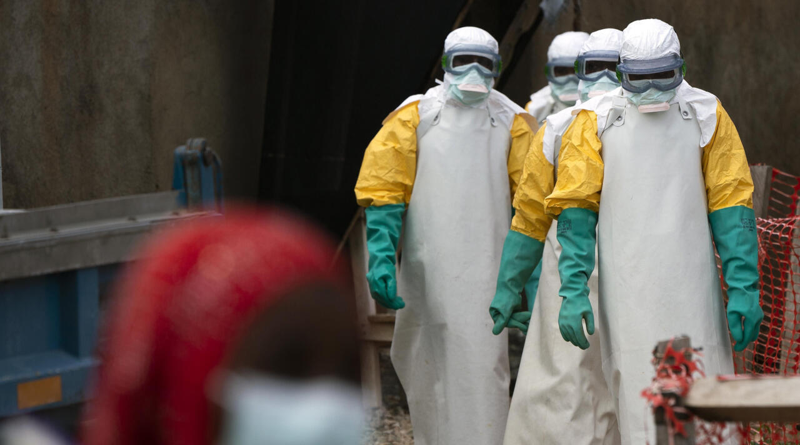
WHO Warns Congo Ebola Outbreak Could Spread Across The Region
The World Health Organization has declared the Ebola outbreak in the Democratic Republic of Congo a public health emergency of international concern, raising fears about the virus spreading further across Central Africa.
Health officials say the outbreak, centered in eastern DR Congo’s Ituri province, has already caused dozens of deaths and hundreds of suspected infections. While the WHO stopped short of calling it a global pandemic emergency, the agency warned the situation could rapidly worsen because of regional instability, population movement, and limited healthcare resources.
The latest Ebola outbreak has become a major global health concern as searches for “Ebola symptoms,” “Congo outbreak news,” and “WHO health emergency” continue rising online. Public health experts fear the virus could spread more widely if containment efforts fail.
According to the WHO, the current outbreak involves the Bundibugyo strain of Ebola, a dangerous virus for which there are currently no approved vaccines or specific treatments. That makes the situation more complicated than previous outbreaks where experimental vaccines helped slow transmission.
Early Ebola symptoms often resemble common viral illnesses, making detection difficult during the first stages of infection. Patients usually experience fever, muscle pain, severe fatigue, headaches, and sore throat before developing vomiting, diarrhea, skin rashes, and internal bleeding.
The WHO confirmed that several laboratory-tested Ebola cases have already been identified across multiple health zones, including Bunia, the capital of Ituri province, along with the mining towns of Mongwalu and Rwampara. One confirmed case has also been detected in Kinshasa, DR Congo’s capital city, involving a traveler returning from the outbreak area.
Health officials say the movement of infected individuals between cities significantly increases the risk of wider transmission.
The outbreak has already crossed international borders. Uganda confirmed two Ebola cases connected to the Congo outbreak, including a 59-year-old Congolese citizen who later died after testing positive.
Regional health authorities are now working urgently to strengthen disease surveillance, border screening, and emergency response coordination as fears grow over cross-border infections.
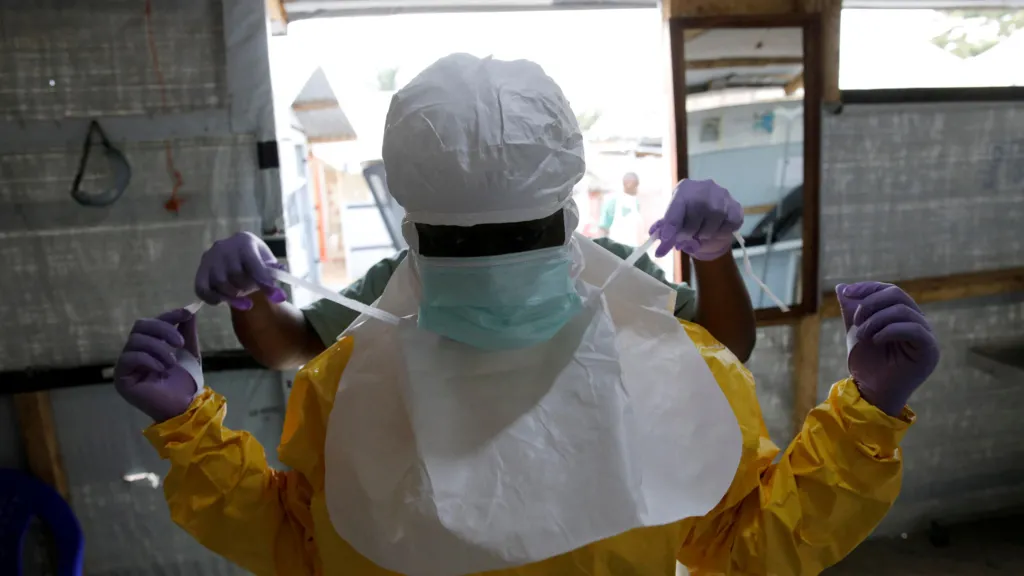
DR Congo’s deadliest outbreak was between 2018 and 2020, during which nearly 2,300 people died
The WHO also confirmed reports of an Ebola case in Goma, a major eastern Congolese city currently affected by ongoing conflict involving M23 rebels. Security instability in the region is making containment efforts far more difficult for health workers and humanitarian agencies.
Experts say the humanitarian crisis inside DR Congo is one of the biggest reasons the outbreak could become much larger.
Eastern Congo has faced years of armed conflict, mass displacement, and weak healthcare infrastructure. Large population movements between villages, mining areas, refugee camps, and neighboring countries create ideal conditions for infectious diseases to spread quickly.
Gold-mining towns such as Mongwalu are considered especially vulnerable because of crowded working conditions, poor sanitation, and high levels of mobility between communities.
The WHO warned that informal healthcare facilities operating in affected areas may also contribute to transmission if infection-control measures are not properly followed. Many smaller clinics lack protective equipment, trained staff, and isolation facilities needed to manage Ebola safely.
Health officials are particularly concerned about urban transmission.
Unlike remote outbreaks that can sometimes be isolated more easily, the current Ebola hotspot includes densely populated urban areas with major transport links. Cities such as Bunia and Goma connect large populations across the region, increasing fears of regional spread into neighboring countries.
Countries bordering DR Congo are now considered high-risk zones because of extensive trade routes and daily travel movement. Public health agencies across East and Central Africa are increasing monitoring efforts to identify possible new cases quickly.
The WHO has advised both DR Congo and Uganda to establish emergency operation centers focused on contact tracing, surveillance, laboratory testing, and infection prevention.
Medical experts say rapid isolation remains one of the most important tools for controlling Ebola outbreaks. Confirmed patients should be isolated immediately and treated until repeated virus tests confirm they are no longer infectious.
At the same time, the WHO urged neighboring countries to improve health reporting systems and prepare hospitals for potential cases.
Despite growing fears, the organization said countries outside the affected region should avoid closing borders or restricting trade and travel. The WHO stressed that such actions are often driven by panic rather than scientific evidence and can disrupt humanitarian operations.
WHO Director-General Dr Tedros Adhanom Ghebreyesus warned that there are still major uncertainties surrounding the outbreak.
Health agencies do not yet fully understand the true number of infections or the exact geographic spread of the virus. Weak healthcare systems, insecurity, and underreporting may mean the outbreak is larger than official figures currently suggest.
Ebola remains one of the world’s deadliest viral diseases.
First discovered in 1976 near the Ebola River in what is now DR Congo, the virus is believed to have originated in bats before spreading to humans. Since then, the country has experienced multiple outbreaks, making this the 17th recorded Ebola outbreak in DR Congo’s history.
The virus spreads through direct contact with infected bodily fluids, contaminated surfaces, or broken skin. Severe bleeding, organ failure, and shock can develop during advanced stages of illness.
According to WHO estimates, Ebola outbreaks often carry fatality rates averaging around 50%, although survival rates can improve with early supportive treatment and strong outbreak management.
Africa CDC officials have also expressed concern about the outbreak’s urban spread and regional mobility patterns.
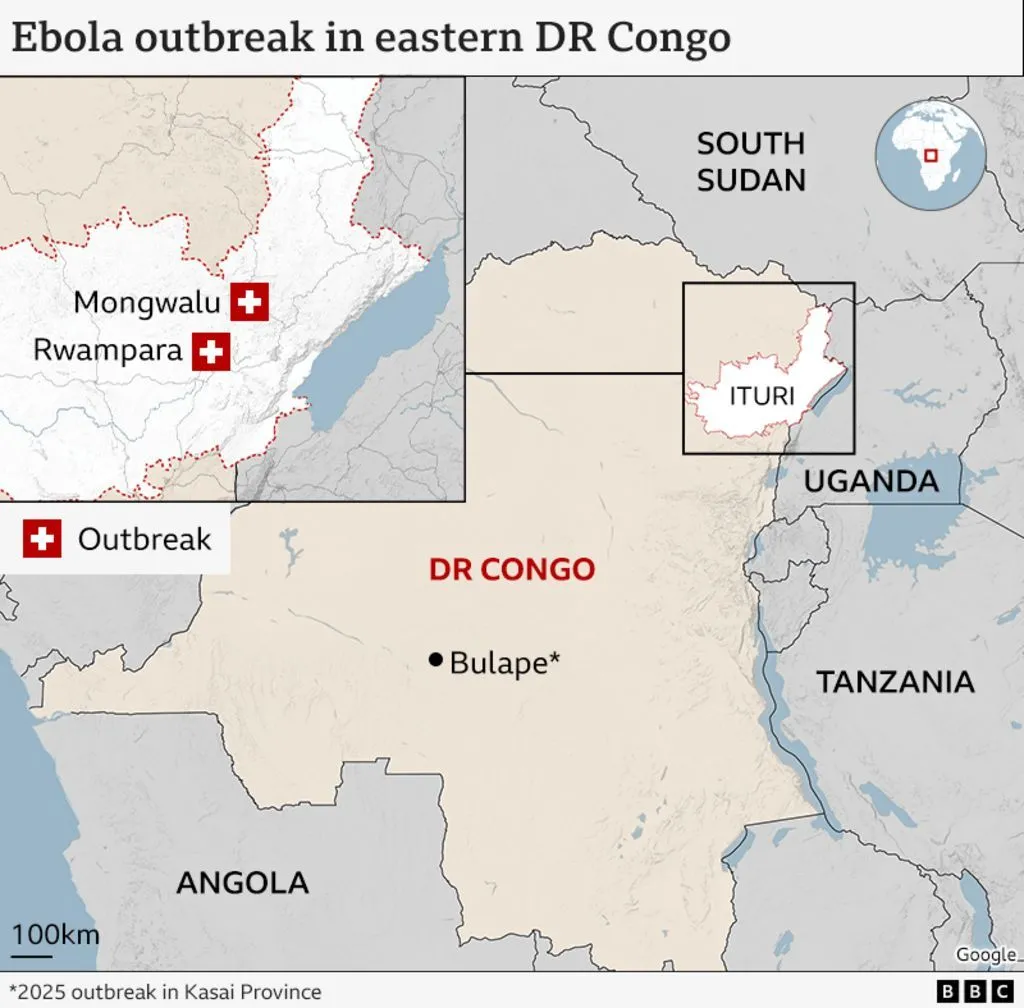
Dr Jean Kaseya, executive director of Africa CDC, said heavy population movement between affected areas and neighboring countries means international coordination is essential to prevent a wider regional health crisis.
Global health experts warn that outbreaks in conflict zones are among the hardest to control because insecurity limits access for doctors, aid workers, and emergency teams.
At the same time, misinformation and public distrust can make disease containment even more difficult.
The current Ebola outbreak is now being closely monitored worldwide as governments and health agencies try to prevent another large-scale public health emergency in Africa.
For millions of people living in the region, the coming weeks may determine whether the virus can be contained quickly — or whether it spreads into a much larger humanitarian crisis.