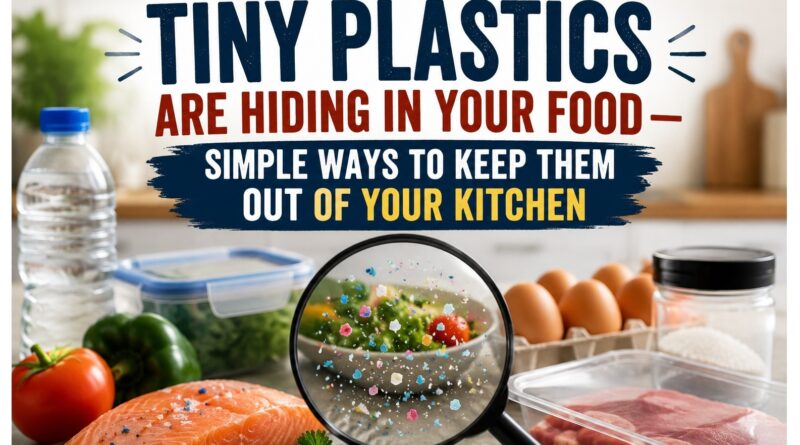
Tiny Plastics Are Hiding in Your Food — Simple Ways to Keep Them Out of Your Kitchen
Tiny Plastics Are Getting Into Our Food and Water – Here’s How to Stay Safer
Microplastics are tiny pieces of plastic that are so small we usually cannot see them. Even though they are tiny, they are now almost everywhere around us. Scientists have found them in water, food, kitchens, oceans, and even inside the human body.
These small plastic pieces can come from bottles, food containers, cooking tools, chopping boards, tea bags, and many other things we use every day. Some plastics break into smaller and smaller pieces over time. These tiny pieces are called microplastics and nanoplastics.
Microplastics are smaller than 5 millimeters. Nanoplastics are even smaller and cannot be seen without special tools.
Scientists say people may eat and drink microplastics every day without knowing it. Tiny plastic pieces can get into meat, rice, vegetables, fruits, fish, eggs, salt, and drinking water.
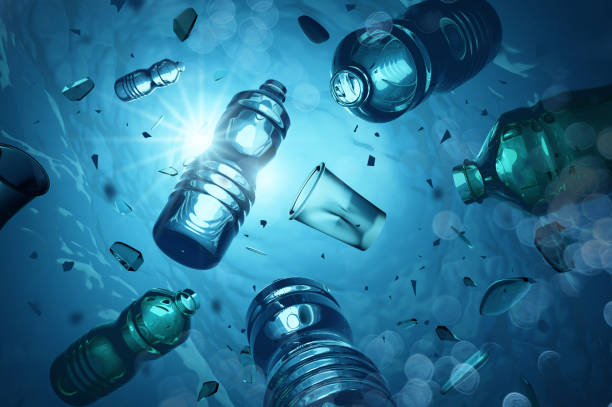
Many foods now contain microplastics. Researchers have found them in chicken, beef, fish, honey, bread, milk, vegetables, and even eggs.
Plants can absorb microplastics from polluted soil and water through their roots. Animals can also eat plastics in their food or water. Later, humans eat those plants and animals.
Factories may also add more contamination during food processing because many machines and packages are made from plastic.
Experts say ultra-processed foods may contain more microplastics because they go through many machines and plastic containers before reaching stores.
Fresh foods may be a better choice. Fruits, vegetables, and homemade meals usually go through less plastic handling.
One study found that washing rice before cooking reduced microplastics by 20% to 40%. Washing meat and fish can also help lower some plastic particles.
However, it is impossible to remove all microplastics completely.
Salt is another common source. Scientists tested many salt brands and found microplastics in most of them. Sea salt often contains the highest amount because oceans already contain plastic pollution.

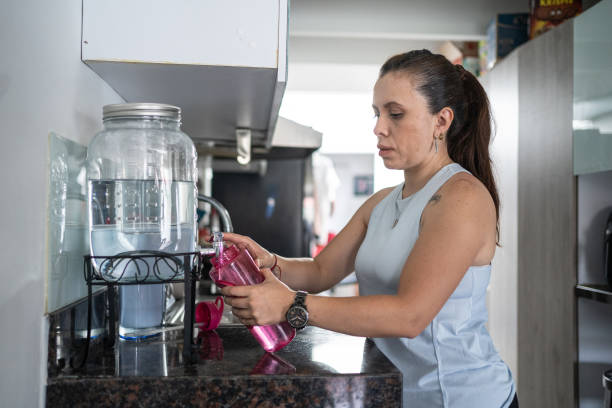
Water is also a major source of microplastics.
Plastic water bottles can release tiny plastic particles, especially when the cap is opened and closed many times.
Scientists found that bottled water may contain more microplastics than many people expected.
Tap water can also contain plastics. Studies in many countries found microplastics in almost all water samples tested.
Still, experts say tap water with a good filter may be safer than bottled water in some places.
Simple carbon water filters can remove many microplastic particles.
Tea bags can also release plastics. Some tea bags use small amounts of plastic to seal the bag. When hot water is added, billions of tiny plastic particles may enter the tea.
Some companies now make plastic-free tea bags, which may be a better option.
Plastic food packaging is another problem.
Opening plastic wrappers, cutting packets, or twisting bottle caps can release tiny plastic particles into food.
Old plastic containers may release even more microplastics because they become damaged over time.
Takeaway food containers may also add plastic particles to meals.
Researchers found that people who eat takeaway food many times every month may swallow thousands of plastic particles from food containers.
Plastic-lined cans, food wrappers, and disposable cups can all release microplastics.
Hot drinks in plastic cups can be especially risky because heat damages plastic surfaces.
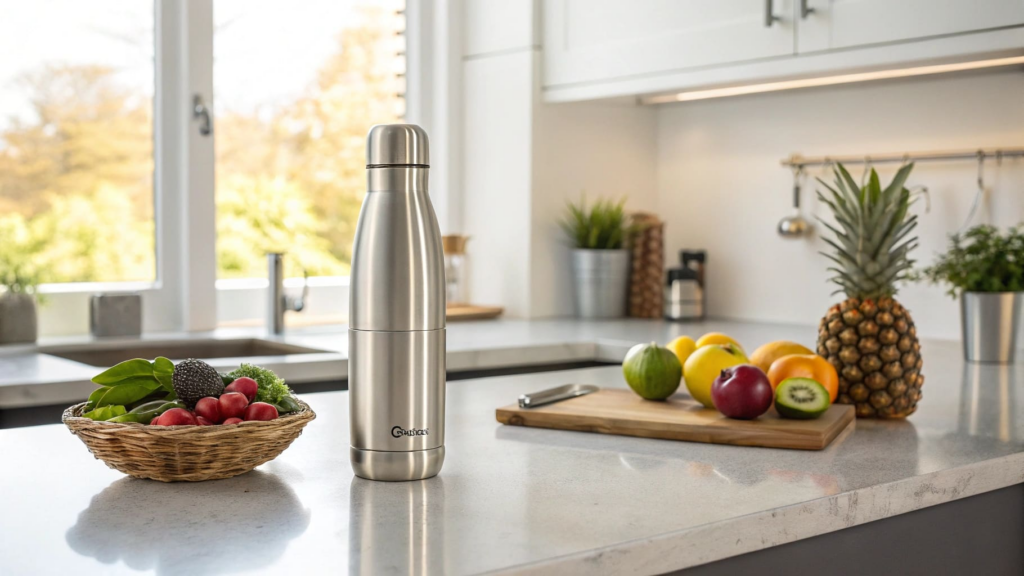
Experts say it is safer to use glass or stainless-steel containers whenever possible.
Kitchen tools may also release plastics.
Plastic chopping boards can create tiny plastic pieces when food is cut on them.
Scientists found that cutting meat or vegetables on plastic boards can push microplastics directly into food.
Old and scratched chopping boards may release even more particles.
Non-stick pans can also release plastics when they become scratched or damaged.
Even plastic mixing bowls, blenders, and spatulas may release tiny particles during normal use.
Heat makes the problem worse.
Microwaving food in plastic containers can release millions of microplastic particles.
Hot foods and drinks damage plastic surfaces faster.
Salt, oil, and acidic foods can also help plastics break down more quickly.
Some people use silicone kitchen tools instead of plastic. Silicone may be more stable, but scientists still say more research is needed.
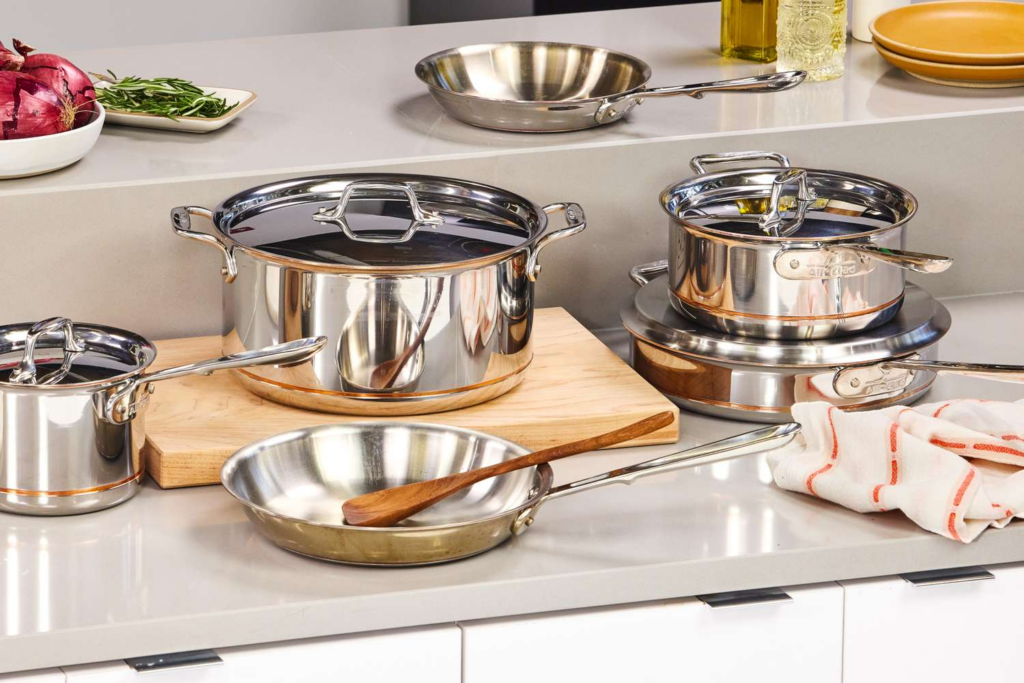
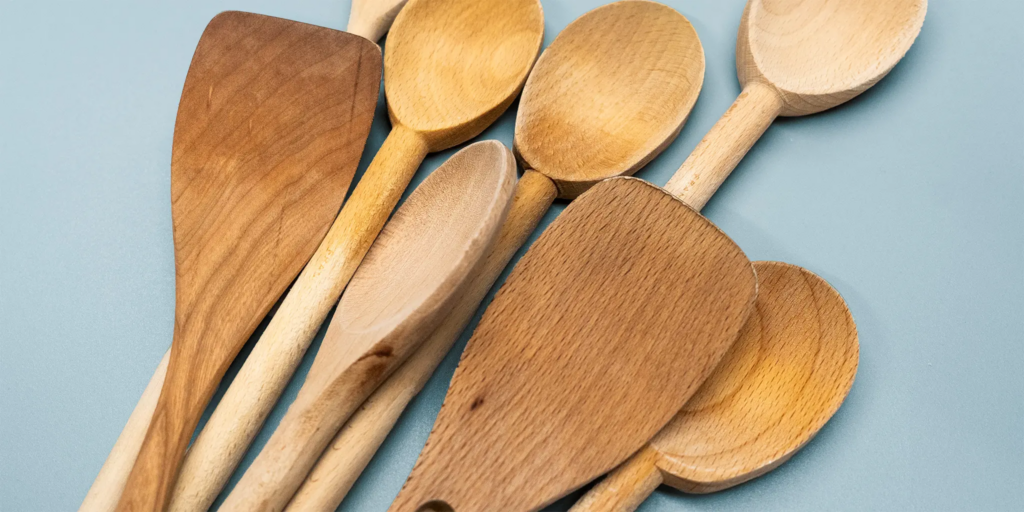
Glass, wood, and stainless steel are often considered safer alternatives.
Cleaning products can also create microplastics.
Kitchen sponges made from synthetic materials may release millions of plastic particles as they wear out.
Microfiber cloths and synthetic fabrics are also known to release plastics into water.
These plastics can eventually end up in rivers and oceans.
Scientists say plastic pollution has become a worldwide problem because plastic waste is everywhere.
The good news is that people can still reduce their exposure.
Experts do not recommend throwing away every plastic item immediately. That would create more waste.
Instead, people should replace damaged plastic items slowly over time.
If a plastic bowl, pan, or chopping board becomes scratched, melted, or broken, it may be a good time to switch to glass, wood, or stainless steel.
Small changes can make a difference.
Here are some simple ways to reduce microplastics in daily life:
- Wash rice before cooking
- Wash fruits, vegetables, meat, and fish carefully
- Drink filtered water if possible
- Use reusable glass or steel bottles
- Avoid heating food in plastic containers
- Replace scratched plastic cookware
- Choose fresh foods instead of ultra-processed foods
- Use wooden or stainless-steel kitchen tools
- Avoid disposable plastic cups and containers
- Try plastic-free tea bags
Scientists are still studying how microplastics affect human health.
Some research suggests tiny plastic particles may enter the blood, brain, and other organs.
Microplastics have already been found in human blood, the placenta, arteries, and even the brain.
However, experts still do not fully understand how dangerous they are.
Some scientists believe plastics may affect gut bacteria or carry harmful chemicals into the body.
Others say some particles may stay inside the body without causing major harm.
More studies are still needed.
One thing is clear: plastic pollution has become a global issue.
Experts say reducing plastic waste around the world is very important.
If countries reduce pollution in oceans, rivers, and land, people may also eat and drink fewer microplastics in the future.
Plastic itself is not always the enemy. It can be useful and cheap. The real problem is that humans use too much plastic and throw away too much waste.
By making smarter choices at home and reducing plastic use little by little, people can lower their exposure and help protect the environment at the same time.
Even simple steps in the kitchen can make a big difference over time.