Ozempic vs Mounjaro: Which Weight Loss Drug Is Right for You?
They are the two most talked-about medications in weight management, and the questions never stop: which works better, which is safer, and which is right for you? The honest answer to Ozempic vs Mounjaro 2026 depends on your health, your goals and your doctor’s judgement — but here is a clear, balanced comparison to help you understand the differences before that conversation.
What they actually are
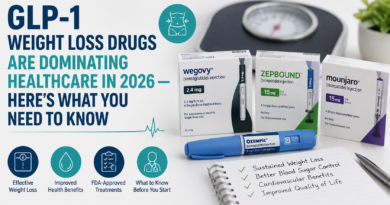
Ozempic contains semaglutide and is made by Novo Nordisk. It belongs to a class called GLP-1 receptor agonists and was first approved for type 2 diabetes, with an added approval to reduce certain cardiovascular risks. Mounjaro contains tirzepatide, made by Eli Lilly, and works on two hormone pathways — GIP and GLP-1 — rather than one. One important point: for weight loss specifically, the versions approved for that purpose are Wegovy (semaglutide) and Zepbound (tirzepatide). Ozempic and Mounjaro are diabetes medications often prescribed off-label for weight loss, something their manufacturers caution against.
How they compare on weight loss
Across clinical trials, tirzepatide has generally produced greater average weight loss than semaglutide. In landmark studies, semaglutide led to roughly 15% average body-weight reduction, while tirzepatide reached up to around 22% depending on dose. Large real-world analyses point the same way, with tirzepatide users more likely to hit meaningful weight-loss milestones over a year. That said, these are averages, not promises — individual results vary widely based on dose, consistency, starting weight and lifestyle.
Side effects and how they are taken
Both are typically once-weekly injections, and both share a similar side-effect profile, most commonly digestive issues such as nausea, vomiting, diarrhoea or constipation, which often ease over time. There is movement on the convenience front, too: a daily semaglutide pill already exists, and a tirzepatide pill is expected to reach the market later in 2026, which could appeal to anyone who dislikes injections. Your prescriber will usually start low and increase the dose gradually to limit side effects.
Cost and access
Price is a real factor. Brand-name versions can run roughly $1,000 to $1,500 a month without insurance, and coverage varies a great deal depending on whether you are treating diabetes or obesity. Supply, insurance rules and local availability can all affect which option is realistic for you, so it is worth discussing the full cost picture with your provider rather than assuming the “stronger” drug is automatically the better choice.
So which one is right for you?
There is no universal winner. Tirzepatide tends to deliver larger average weight loss, but the right medication depends on your medical history, other conditions, tolerance for side effects, cost and what your doctor recommends. These are powerful prescription medicines, not quick fixes, and they work best alongside sustainable changes to food and activity. This article is for general information only and is not medical advice. Always consult a qualified healthcare professional before starting, stopping or switching any medication.
Who these medications are for
These are prescription medicines, not lifestyle products. They are intended for people managing type 2 diabetes or, in their obesity-approved forms, those who meet specific medical criteria for weight management — typically a certain body-mass index, often alongside a weight-related health condition. A doctor weighs your full medical history, other medications and goals before prescribing. Using them outside that framework, or sourcing them from unregulated sellers, carries real risks and is strongly discouraged.
What happens if you stop
An important and often overlooked point: these medicines tend to work while you take them. Studies and real-world experience show that many people regain weight after stopping, particularly without lasting changes to eating and activity. That is why doctors frame them as one tool within a broader plan rather than a temporary fix. Any decision to start, pause or stop should be made with your prescriber, who can manage dosing and monitor how you respond.
The bottom line
On the evidence, tirzepatide tends to produce greater average weight loss, but “more effective on average” does not mean “right for you.” The better choice depends on your health profile, side-effect tolerance, cost, supply and medical advice. Beware counterfeit or unverified products sold online, and treat any source outside a licensed pharmacy with suspicion. Paired with sustainable habits and proper supervision, either medication can help the right person — but that judgement belongs with a qualified professional, not a blog.
Questions to ask your doctor
If you are considering either medication, walk into the appointment prepared. Ask whether you actually meet the medical criteria, which version is appropriate for your situation, and what side effects to expect and how to manage them. Discuss the realistic cost and whether your insurance covers it, how progress will be monitored, and crucially what the plan is if you stop, since weight regain is common without lasting lifestyle changes. A good prescriber will welcome these questions, because the right answer is always personal rather than one-size-fits-all.
Your next step
If weight or blood-sugar management is on your mind, the right move is not to self-prescribe or buy from an online seller, but to book a proper conversation with a doctor. Bring your questions, be honest about your goals and history, and let a professional weigh the options with you. These medicines can genuinely help the right person — under the right care.
Medications aside, your body often signals problems early if you know what to look for. See our guide to the early warning signs your body may send so you know when it is time to check in with a doctor.