Pakistani Court Sentences Man to Death for Killing TikTok Star Sana Yousaf
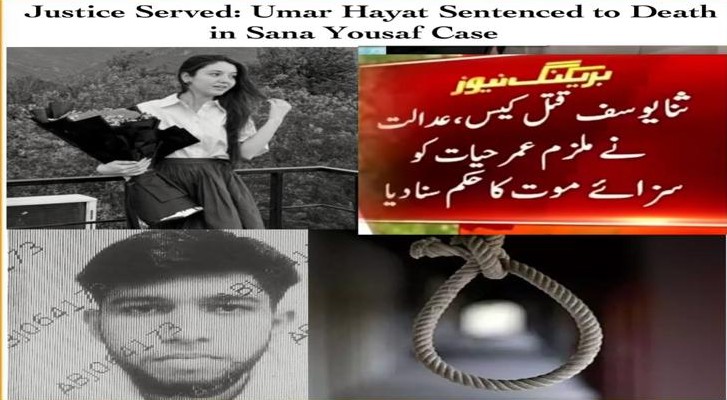
A Pakistani court has handed down a death sentence to the man who killed 17-year-old TikTok star Sana Yousaf — a case that shook the country and reignited urgent conversations about how Pakistan treats its female content creators.
Umar Hayat, now 23, forced his way into Yousaf’s Islamabad home in June last year after she repeatedly turned down his advances. He shot her dead. In July, he admitted to what he had done, telling investigators he had developed a one-sided obsession with Yousaf after a handful of online interactions — the kind of fixation she had no way of knowing would turn fatal.
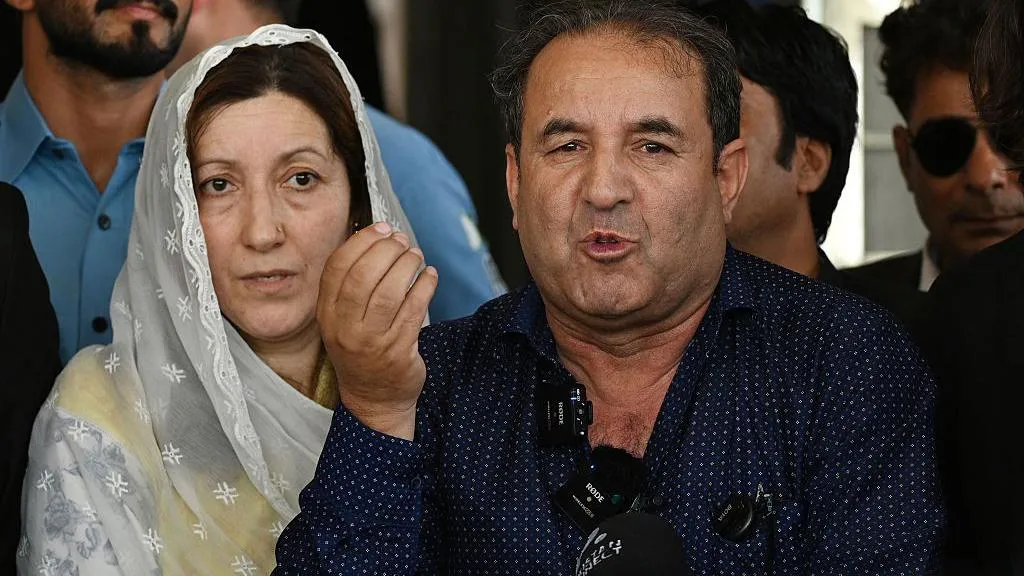
Yousaf’s father, Syed Yousaf Hassan, called the verdict “a lesson for all such criminals in society.” The court also ordered Hayat to pay 2.5 million rupees — roughly $9,000 or £6,700 — in compensation to her family.
According to Pakistani media, Hayat had actually traveled to Islamabad in the days before the killing, telling investigators he wanted to wish Yousaf a happy birthday. When she refused to see him, he didn’t leave. He found his way to her home anyway. What happened next — an argument that escalated — ended her life.
Sana Yousaf was 17. She had over a million followers on TikTok and another half-million on Instagram. Her content was warm and playful — trying out fashion trends, lip-syncing to her favorite songs, just hanging out with friends. People loved her for it. And then she was gone.
The backlash that followed her death
After news broke, the outrage was immediate. But it wasn’t all directed at her killer.
A portion of mostly male voices online — some citing religion — turned their anger toward Yousaf herself, questioning why she was making content at all. Some even suggested her family should delete her Instagram and TikTok accounts because the posts were contributing to her “sins.”
Usama Khilji, director of digital rights advocacy group Bolo Bhi, described this backlash to the BBC as coming from a small but vocal corner of the internet. Still, it was loud enough to make itself heard.
Human rights activist Farzana Bari didn’t mince words about it. She called the reaction “misogynistic” and “patriarchal,” pointing out that Yousaf had her own voice — and that her death, and the response to it, is a reminder that social media has become what Bari called “a very threatening place for female content creators” in Pakistan.
Activists were clear that this wasn’t an isolated incident. Yousaf’s murder, they said, fits into a broader, deeply troubling pattern of violence against women in the country.
Police launched an extensive investigation, sweeping through locations across Islamabad and Punjab, reviewing footage from 113 CCTV cameras. They got their man. Now, a court has spoken.
But for many in Pakistan — especially women who create, post, and simply exist online — the verdict, while meaningful, feels like only one part of a much bigger, unfinished story.