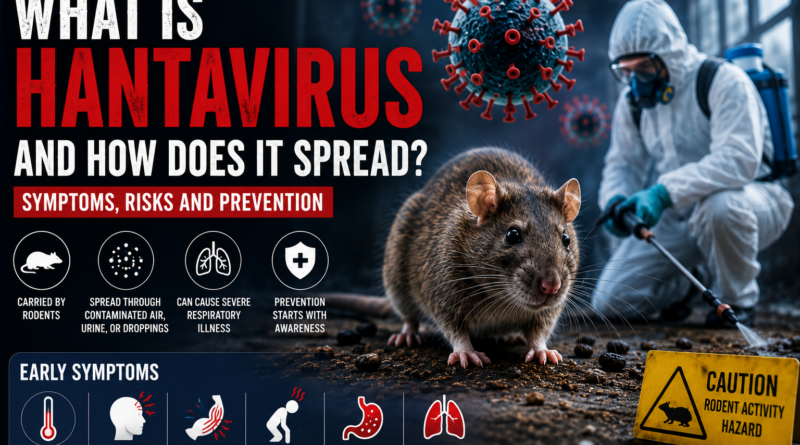
What Is Hantavirus And How Does It Spread? Symptoms, Risks And Prevention
Hantavirus is a rare but serious viral infection mainly spread by rodents such as rats and mice. Although infections are uncommon, the disease has gained global attention because severe cases can quickly become life-threatening. Recent outbreaks and cruise ship incidents linked to hantavirus have increased public concern and online searches about the virus.
Health experts continue monitoring hantavirus closely because some strains can cause severe breathing complications and spread rapidly under certain conditions. Early awareness is important because symptoms often begin like a common flu, making the virus difficult to recognize during the early stages.
The virus belongs to a group of viruses carried naturally by rodents. Humans usually become infected after contact with contaminated air, surfaces, or rodent waste. In some cases, the disease can lead to serious lung infections and organ complications requiring emergency medical treatment.
How Hantavirus Spreads
Hantavirus spreads primarily through infected rodents. Rats and mice carrying the virus release it through their urine, saliva, and droppings. When these particles dry, they can mix into the air and become dangerous if inhaled by humans.
People may become infected while:
- Cleaning rodent-infested areas
- Touching contaminated surfaces
- Handling rodent nests
- Breathing contaminated dust
- Consuming contaminated food
Most cases occur in places where rodents are common, including:
- Farms
- Cabins
- Forest areas
- Storage buildings
- Abandoned structures
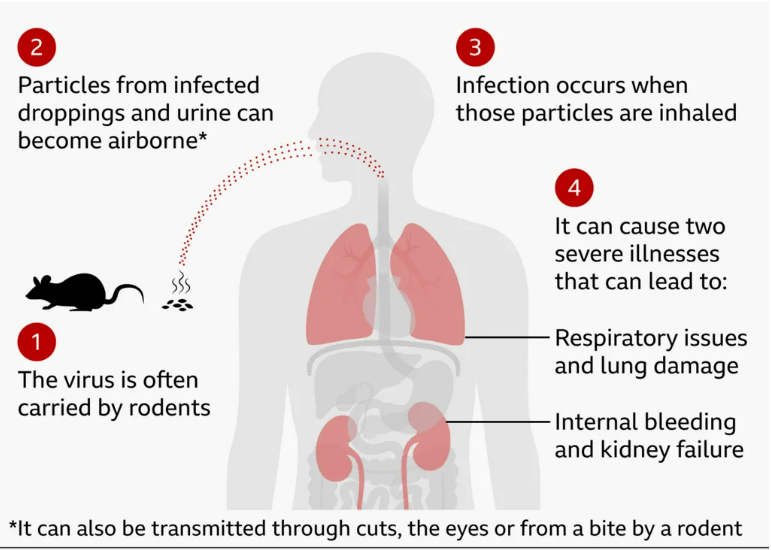
Health experts say poorly ventilated spaces increase infection risk because virus particles can remain trapped in the air.
Although hantavirus usually spreads from rodents to humans, certain strains like the Andes virus may rarely spread between people through very close contact. This is one reason health officials closely monitor outbreaks linked to enclosed environments such as cruise ships or remote communities.
Unlike highly contagious respiratory viruses, hantavirus does not normally spread easily through casual contact.
Early Symptoms Of Hantavirus
One of the biggest challenges with hantavirus is that its early symptoms often resemble common viral illnesses. Many infected people initially think they have the flu or seasonal infection.
Symptoms may appear between one and eight weeks after exposure to the virus.
Early symptoms commonly include:
- Fever
- Chills
- Muscle aches
- Fatigue
- Headaches
- Nausea
- Vomiting
- Stomach pain
As the infection worsens, breathing difficulties may begin developing. Patients can experience chest tightness, coughing, and shortness of breath caused by fluid buildup in the lungs.
This severe stage is known as Hantavirus Pulmonary Syndrome (HPS), a dangerous condition that can quickly become fatal without medical treatment.
Doctors warn that symptoms can worsen rapidly within a short period. Some patients require oxygen support or intensive care treatment once lung complications begin.
Why Hantavirus Can Become Dangerous
Hantavirus becomes dangerous because it attacks the lungs and affects breathing. Severe infections can reduce oxygen levels in the body and place extreme stress on major organs.
In advanced cases, patients may experience:
- Severe breathing problems
- Low blood pressure
- Organ failure
- Fluid-filled lungs
- Shock
The mortality rate for severe hantavirus infections can be high if treatment is delayed. This is why health experts stress the importance of early diagnosis and immediate medical care.
Currently, there is no specific antiviral cure for hantavirus. Treatment mainly focuses on supportive medical care, including:
- Oxygen therapy
- Ventilator support
- Fluid management
- Intensive monitoring
Patients diagnosed early generally have better recovery chances than those receiving treatment after severe symptoms develop.
Because hantavirus is rare, many people are unfamiliar with the disease until outbreaks appear in the news. Increased public awareness helps people recognize symptoms sooner and reduce unnecessary exposure risks.
How To Reduce The Risk Of Infection
Preventing rodent exposure remains the best way to avoid hantavirus infection. Health officials recommend keeping homes, workplaces, and storage areas clean and sealed to stop rodents from entering.
Basic prevention methods include:
- Sealing holes and cracks
- Storing food properly
- Cleaning rodent waste carefully
- Wearing gloves and masks during cleanup
- Avoiding direct contact with rodents
Experts strongly advise against sweeping or vacuuming rodent droppings because this can release virus particles into the air. Instead, contaminated areas should be sprayed with disinfectant before cleaning.
People spending time in forests, rural cabins, campsites, or abandoned buildings should remain especially cautious because rodents are more common in these environments.
Travelers and workers in high-risk areas should also pay attention to public health warnings during outbreaks.
Why Health Officials Take Hantavirus Seriously
Although hantavirus outbreaks are uncommon, health agencies take the virus seriously because severe infections can spread quickly in isolated or crowded environments. Cruise ship outbreaks and recent emergency evacuations have increased international attention on the disease.
Health organizations continue monitoring hantavirus strains while improving emergency response plans and medical preparedness. Public concern has also grown because memories of previous global health emergencies remain fresh for many people.
Experts continue emphasizing that the overall risk to the public remains low in most situations. However, quick medical response, proper sanitation, and public awareness are essential for preventing serious outbreaks.
Understanding how hantavirus spreads and recognizing its early warning signs can help reduce infection risks and improve survival rates through faster treatment and prevention measures.