How Food Labels Secretly Change What You Eat Daily
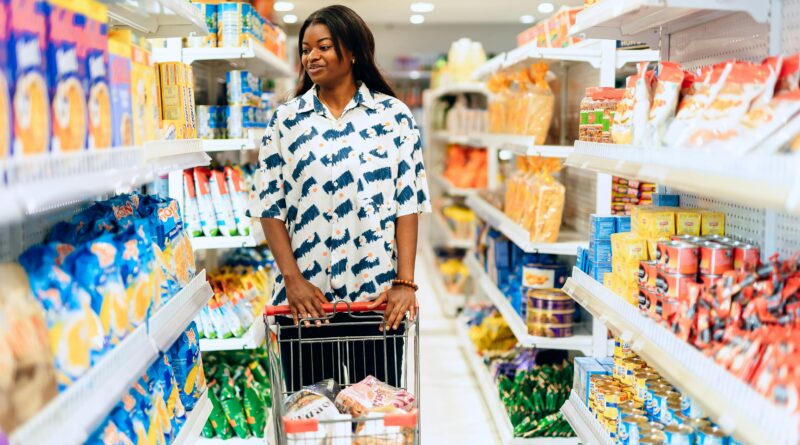
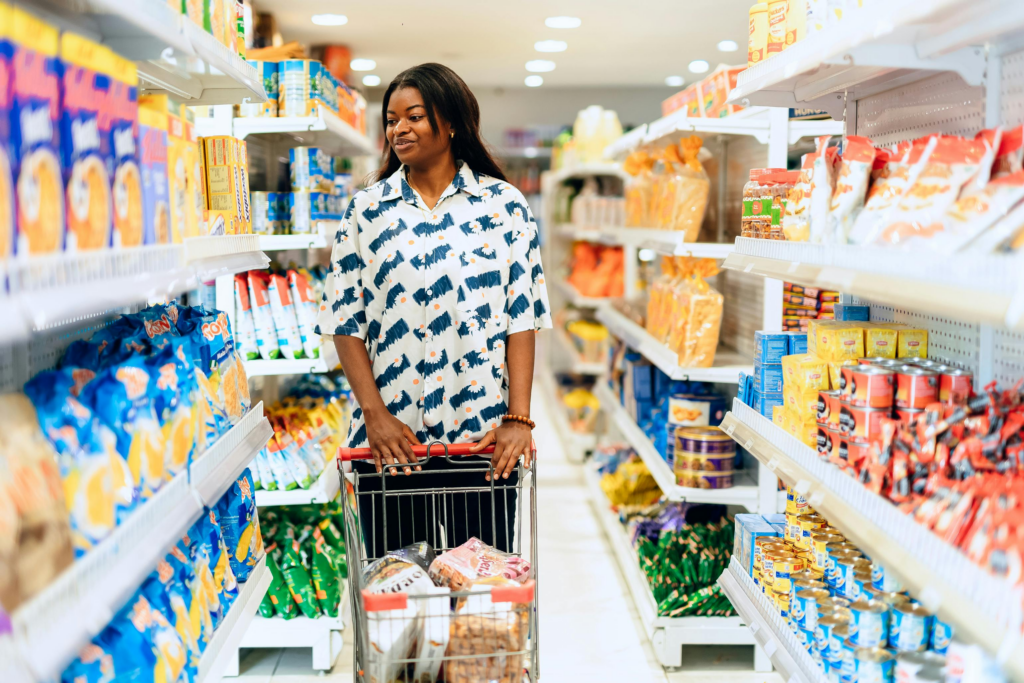
Today, people are surrounded by many food choices everywhere they go. Supermarkets are filled with snacks, frozen meals, sugary drinks, and other ultra-processed foods. These foods are often tasty, cheap, and easy to buy. Because of this, many people eat unhealthy foods more often than before.
Scientists say this is one big reason why obesity and weight gain are increasing in many countries around the world.
What Are Ultra-Processed Foods?
Ultra-processed foods, also called UPFs, are foods made mostly in factories. They usually contain extra sugar, salt, oil, colors, and artificial ingredients.
Examples include:
- Chips
- Soft drinks
- Instant noodles
- Sugary cereals
- Packaged snacks
- Frozen fast food
These foods are designed to taste very good so people keep buying and eating them.
Our Environment Affects What We Eat
Experts say our surroundings strongly influence the food choices we make.
For example:
- Unhealthy foods are often placed at the front of stores
- Fast food ads appear everywhere
- Sugary snacks are cheaper and easier to find
- Healthy foods sometimes cost more money
Because of this, many people end up choosing unhealthy foods without even realizing it.
Researchers say the modern food environment is “obesogenic.” This means it creates conditions that make weight gain more likely.
Even when people think they are fully in control, the food around them still affects their decisions.
Why Food Labels Matter
Food labels can help people understand what they are eating.
Simple warning labels on food packages can encourage healthier choices.
In 2016, Chile introduced black warning labels on foods high in sugar, salt, and calories. After this change, many people bought fewer unhealthy products.
Studies showed purchases of high-calorie foods dropped by almost 24%.
This proves that clear labels can change buying habits.
Nutri-Score Helps People Choose Better Foods
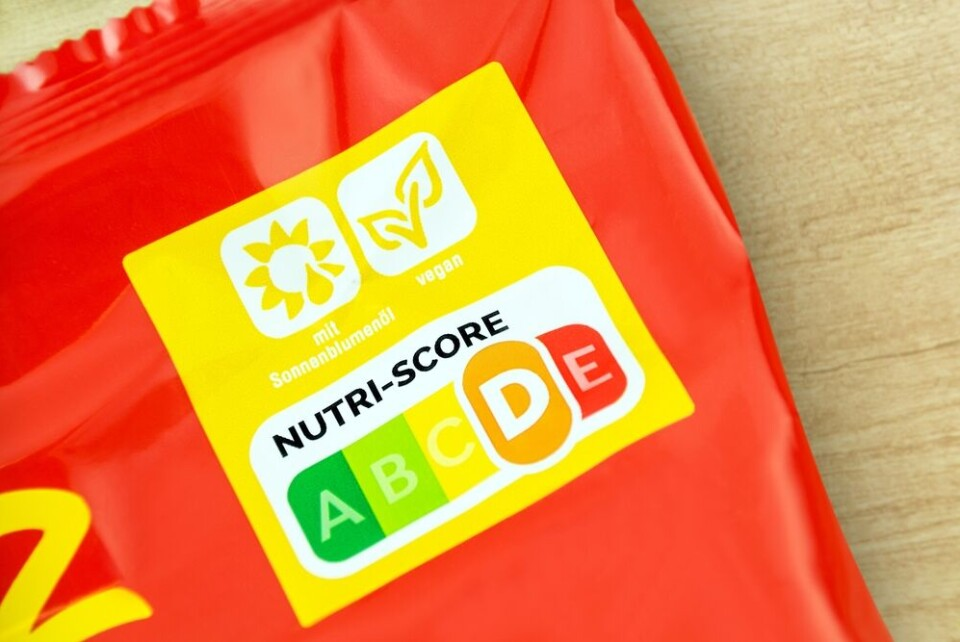
Some European countries now use something called the “Nutri-Score.”
This label uses colors and letters to show how healthy a product is.
- Green/A = Healthier
- Red/E = Less healthy
The goal is to help shoppers quickly understand which foods are better for them.
Many food companies also started improving their products after these labels became popular. Some reduced sugar and used healthier ingredients.
Supermarkets also began promoting healthier foods more often.
Healthy Habits Can Change Lives
Scientists also studied whether teaching people healthy habits could improve diets.
In one study, people received personal coaching about:
- Buying healthier foods
- Cooking meals at home
- Understanding nutrition
- Planning healthier meals
They also learned simple cooking skills.
After six months, participants ate 25% fewer ultra-processed foods. Many also lost weight and felt healthier and happier.
This shows that education and support can make a big difference.
Healthy Food Is Not Always Easy
One problem is that healthy foods can cost more money.
Some people also do not have:
- A good kitchen
- Cooking tools
- A fridge to store food
Because of this, experts say governments, schools, companies, and communities must work together to improve the food system.
No single solution can fix the problem alone.
Small Changes Can Help
Experts say small daily changes can improve health over time.
People can try to:
- Read food labels carefully
- Buy fresh foods more often
- Eat fewer packaged snacks
- Cook meals at home
- Drink less sugary soda
- Choose foods with less sugar and salt
Even small improvements can lead to better health.
The Future of Healthy Eating
Researchers believe obesity will continue to rise if nothing changes.
But there is still hope.
Better food labels, healthier stores, nutrition education, and stronger policies can help people make smarter choices.
When people understand what is inside their food, they feel more confident and more in control of their health.
Healthy eating does not have to be perfect. Simple choices made every day can help people live healthier and happier lives.