Should you really trust health advice from an AI chatbot?
For the past year, Shella has been using ChatGPT — one of the best-known AI chatbots — to help manage her health.
The appeal is obvious. Getting hold of a GP can feel impossible, while artificial intelligence is always available to answer questions. AI has even passed some medical exams with ease.
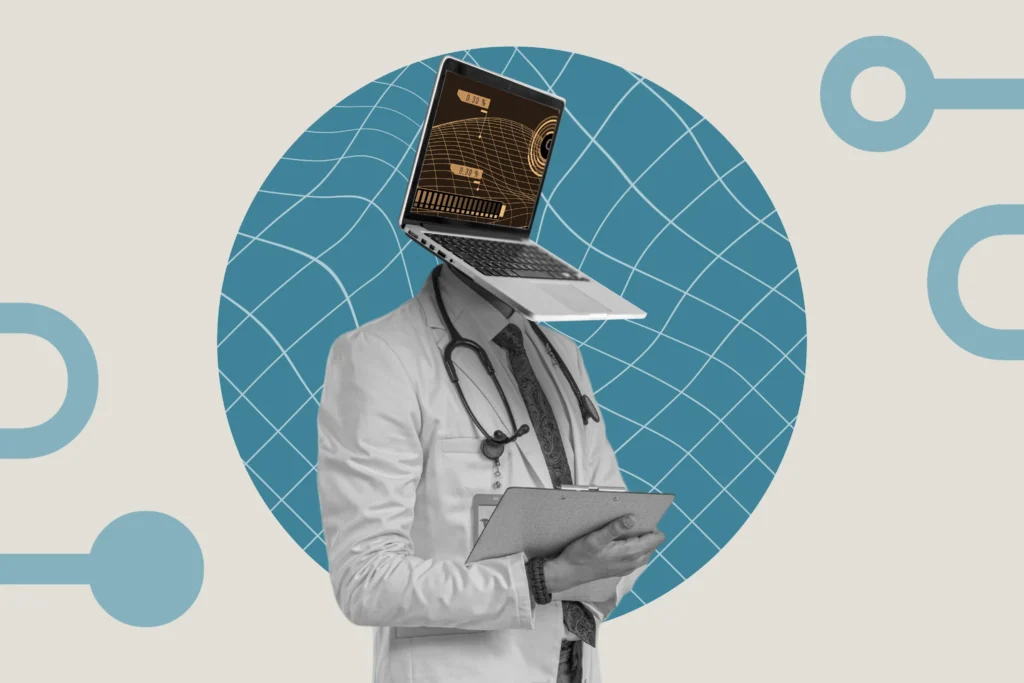
So should we trust tools like ChatGPT, Gemini and Grok? Is using them any different from an old-fashioned internet search? Or, as some experts fear, are chatbots getting things dangerously wrong and putting lives at risk?
Shella, from Manchester, struggles with health anxiety and says a chatbot offers more tailored advice than an internet search, which often leads straight to the worst-case scenarios.
“It allows a kind of problem-solving together,” she says. “A little bit like talking with your doctor.”
Shella has experienced both the benefits and the drawbacks of using AI chatbots for health advice.
When she thought she had a urinary tract infection, ChatGPT reviewed her symptoms and suggested she visit a pharmacist. After a consultation, she was prescribed antibiotics.
Shella says the chatbot helped her get the care she needed “without feeling like I was taking up NHS time”, and provided an easy source of guidance for someone who “struggles a lot with knowing when you need to visit a doctor”.
But then, in January, Shella “slipped and fully decked it” while out hiking. She hit her back on a rock and felt “insane” pressure spreading from her back into her stomach. So she turned to the AI in her pocket for advice.
“ChatGPT told me that I’d punctured an organ and needed to go to A&E straight away,” she says.
After sitting in the emergency department for three hours, the pain began to ease. Shella realised she was not critically ill and went home. The AI had “clearly got it wrong”.
It is hard to know how many people like Shella are turning to chatbots for health advice. The technology has surged in popularity and, even if you are not actively seeking guidance from AI, it is increasingly served at the top of internet search results.
The quality of that advice worries England’s top doctor.
Prof Sir Chris Whitty told the Medical Journalists Association earlier this year that “we’re at a particularly tricky point because people are using them”, but the answers were “not good enough” and were often “both confident and wrong”.