UN’s Role in Resolving Modern Conflicts in 2026
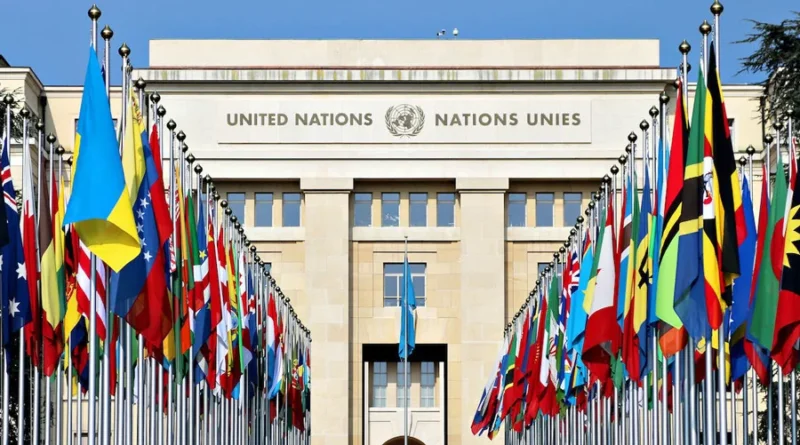
The United Nations (UN) has long been a cornerstone of global peace and security. Since its creation in 1945, the UN has worked to prevent conflicts, mediate disputes, and provide humanitarian assistance to nations in crisis. In 2026, the role of the UN in resolving modern conflicts is more important than ever, as the world faces complex challenges including regional wars, cyber threats, terrorism, and political instability.
Evolution of UN’s Role in Conflict Resolution
Over the decades, the UN has evolved from a traditional peacekeeping organization to a more dynamic institution that addresses modern challenges. Peacekeeping missions, once focused on monitoring ceasefires, now include protecting civilians, rebuilding governance structures, and facilitating post-conflict reconstruction.
In 2026, UN conflict resolution strategies combine diplomacy, economic incentives, and technological tools. For example, the UN now uses satellite imagery and AI-driven analysis to monitor ceasefires and detect early signs of conflict. This proactive approach allows the UN to prevent escalations before they become full-scale wars.
Peacekeeping Missions and Mediation
One of the most visible aspects of the UN’s role is its peacekeeping missions. These missions often deploy international forces to conflict zones to maintain stability and protect civilians. In countries like South Sudan, Mali, and Syria, UN peacekeepers continue to serve as neutral parties that prevent clashes between warring factions.
Mediation is another crucial function. The UN often acts as a neutral facilitator in negotiations between conflicting parties. For instance, in 2026, the UN played a significant role in mediating tensions in the Middle East, helping bring regional powers and local governments to the negotiation table. By providing neutral ground and professional mediators, the UN enables dialogue where direct communication might otherwise fail.
Addressing Modern Challenges
Modern conflicts are no longer limited to conventional warfare. Cyber-attacks, information warfare, and proxy wars are now common. In response, the UN has adapted its strategies to address these challenges. Its cyber diplomacy initiatives and task forces for monitoring disinformation campaigns help prevent conflicts from escalating in the digital sphere.
Additionally, the UN integrates humanitarian aid and development projects into conflict resolution. Providing food, healthcare, and education to affected populations reduces the risk of unrest and supports long-term stability. This approach recognizes that peace is not just about ending fighting but also about creating conditions for sustainable development.
Collaborating with Global Powers and Organizations
The UN works closely with regional organizations, such as the African Union and ASEAN, to resolve conflicts more effectively. Cooperation with global powers, including the United States, China, Russia, and the European Union, is also vital. In 2026, these collaborations have been key in addressing crises in hotspots such as the Middle East, Africa, and South Asia.
By leveraging international support, the UN can impose sanctions, organize peace talks, and provide monitoring mechanisms that hold parties accountable. This multilateral approach strengthens the UN’s credibility and effectiveness in global conflict resolution.
Challenges and Criticism
Despite its successes, the UN faces challenges. Political disagreements among member states can delay action, and limited funding sometimes hinders peacekeeping operations. Critics also argue that the UN must reform to address the rapidly changing nature of modern conflicts more efficiently.
Nonetheless, even with its limitations, the UN remains an essential actor in promoting peace. Its ability to bring diverse nations together under a common goal makes it uniquely capable of addressing complex global conflicts.
Conclusion
In 2026, the UN’s role in resolving modern conflicts is more relevant than ever. Through peacekeeping, mediation, cyber diplomacy, and humanitarian interventions, the UN continues to protect civilians and promote stability worldwide. While challenges remain, the organization’s commitment to dialogue, collaboration, and innovation ensures that it remains a vital force for peace in an increasingly complex world.
Countries, policymakers, and citizens must continue to support and strengthen the UN to ensure that it can effectively navigate the challenges of modern conflicts. By doing so, the world can move closer to sustainable peace and security.