GLP-1 Weight Loss Drugs Are Dominating Healthcare in 2026 — Here’s What You Need to Know
GLP-1 Weight Loss Drugs in 2026: What You Need to Know
⚠️ Medical Disclaimer: This article is for informational purposes only and does not constitute medical advice. Always consult a licensed healthcare provider before starting any medication.
Walk into almost any doctor’s office in 2026 and GLP-1 medications will come up. These drugs — Ozempic, Wegovy, Mounjaro, Zepbound — have gone from niche diabetes treatments to one of the most searched, most discussed, and most prescribed categories in modern medicine. A poll of 58 healthcare experts ranked GLP-1 medications as the top health trend of 2026, and the numbers back that up. Millions of prescriptions are being written. The waitlists at weight loss clinics have stretched to months. And the debate around these drugs — their benefits, their risks, their cost, their long-term effects — is louder than ever.
If you have been wondering what GLP-1 drugs actually are, how they work, who should consider them, and what the real risks are, this is the clear-eyed answer you need.
What Are GLP-1 Drugs and How Do They Work?
GLP-1 stands for glucagon-like peptide-1, a hormone your body naturally produces after eating. It signals to your brain that you are full, slows gastric emptying, and helps regulate blood sugar. GLP-1 receptor agonists are drugs that mimic this hormone — they activate the same receptors and produce the same signals, but in a more sustained and powerful way than your natural hormone does.
The result is that people taking these medications feel significantly less hungry, get full faster, and are less preoccupied with food overall. This is not willpower — it is pharmacology. The brain is receiving a clear signal that the body is satisfied, and that signal overrides the hunger cues that make dieting so difficult for most people.
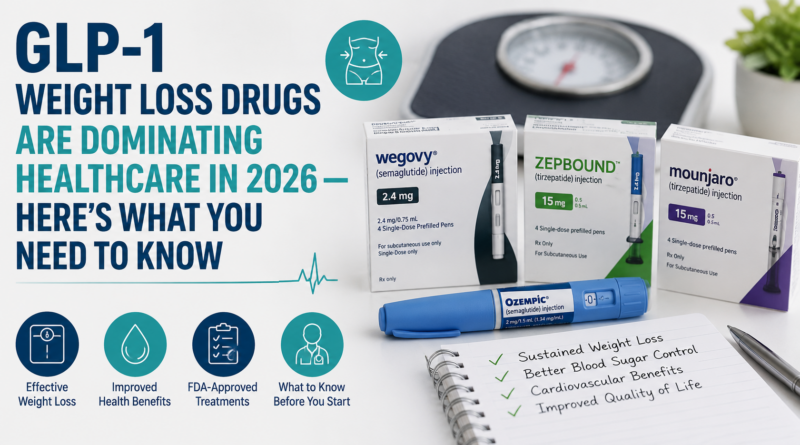
Semaglutide — the active ingredient in both Ozempic (approved for type 2 diabetes) and Wegovy (approved for weight loss) — is the most widely prescribed GLP-1 drug. Tirzepatide, which powers Mounjaro and Zepbound, is a dual agonist that activates both GLP-1 and GIP receptors, and clinical trials have shown it may produce even greater weight loss than semaglutide alone.
What the Research Actually Shows on Weight Loss
The clinical evidence is genuinely impressive, which is part of why these drugs have spread so rapidly. In major trials, people taking semaglutide lost an average of 15% of their body weight over 68 weeks — significantly more than any previously available weight loss medication. Tirzepatide trials have shown average weight loss of up to 20% in some cohorts.
To put that in context: a person weighing 250 pounds could lose 37 to 50 pounds on these medications. That is not a marginal effect. For people with obesity-related health conditions — type 2 diabetes, high blood pressure, sleep apnea, joint problems — the downstream health benefits can be substantial and sometimes life-changing.
GLP-1 drugs like semaglutide (Ozempic, Wegovy) and tirzepatide (Mounjaro, Zepbound) are reshaping obesity treatment in 2026. Photo: Medical research
Beyond weight, the research has revealed benefits that surprised even the scientists running the trials. A 2024 cardiovascular outcomes trial found that semaglutide reduced the risk of major cardiovascular events — heart attack, stroke, cardiovascular death — by 20% in people with obesity and established heart disease. That finding expanded the drug’s indication and triggered another wave of prescriptions from cardiologists.
Who Qualifies for a GLP-1 Prescription?
FDA approval guidelines generally allow GLP-1 prescriptions for adults with a BMI of 30 or higher (classified as obese), or a BMI of 27 or higher with at least one weight-related health condition such as type 2 diabetes, high blood pressure, or high cholesterol. In practice, prescribing has expanded beyond these formal criteria as awareness has grown and telehealth platforms have made access easier.
Telehealth services like Hims & Hers, Ro, and Found have driven a significant portion of new prescriptions. The convenience is real — you can complete a consultation and receive a prescription without visiting a doctor’s office. The tradeoff is that these platforms vary in how carefully they screen for contraindications and how closely they monitor patients over time.
Side Effects: What You Need to Know Before Starting
These drugs are effective, but they are not side-effect free. The most common issues are gastrointestinal — nausea, vomiting, diarrhea, and constipation — particularly in the first few weeks as doses are gradually increased. For most people these effects are manageable and diminish over time. For some, they are severe enough to discontinue treatment.
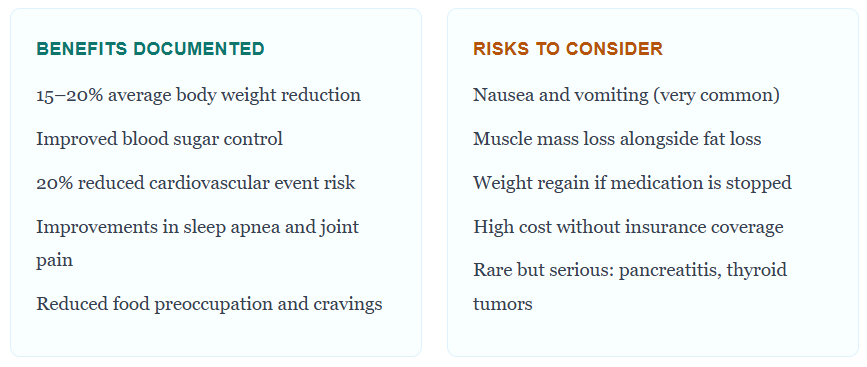
One concern that has gotten more attention in 2026 is muscle mass loss. Studies show that a meaningful proportion of weight lost on GLP-1 drugs — sometimes 25 to 40% — is lean muscle mass rather than fat. This can affect metabolic rate, strength, and long-term health. Doctors now commonly recommend resistance training and adequate protein intake alongside the medication to protect muscle tissue.
The other major concern is dependency. GLP-1 drugs do not cure obesity — they manage it. Multiple studies show that the majority of weight lost is regained within a year of stopping the medication. This means many people will need to take these drugs indefinitely, which raises questions about long-term safety (data beyond five years is still limited) and ongoing cost.
The Cost Problem: Who Can Actually Afford These Drugs?
Here is where the GLP-1 conversation gets difficult. Wegovy and Zepbound carry list prices of roughly $1,000 to $1,300 per month in the United States without insurance. Insurance coverage is inconsistent — many commercial plans cover them, many do not, and Medicare coverage remains limited despite significant lobbying for expansion.
Generic versions are not yet available in the US market, though compounded semaglutide — produced by compounding pharmacies during the drug shortage — created a lower-cost alternative that the FDA has been moving to restrict. The access gap between insured and uninsured patients, and between wealthy and lower-income patients, is one of the more troubling aspects of how this drug class has rolled out.
What Doctors Recommend If You Are Considering These Medications
The consensus among physicians in 2026 is that GLP-1 drugs are a legitimate and often highly effective tool for treating obesity and metabolic disease — not a shortcut or a cheat. They work best as part of a broader approach that includes nutrition changes, physical activity, and behavioral support. Used that way, they can produce health outcomes that were previously very difficult to achieve through lifestyle changes alone.
If you are considering a GLP-1 medication, the right first step is a conversation with your primary care doctor or an obesity medicine specialist — not a telehealth intake form. You need a full evaluation of your health history, a clear discussion of contraindications (these drugs are not appropriate for people with certain thyroid or pancreatic conditions), and a plan for monitoring your response over time.
The Obesity Medicine Association maintains a provider directory if you are looking for a specialist. The GoodRx database provides current pricing and insurance coverage information by drug and by state.
GLP-1 drugs are not going away — if anything, a new generation of weight loss medications with even stronger effects is already in clinical trials. Understanding what these drugs actually do, who benefits most, and what the real tradeoffs are puts you in a much better position to make an informed decision for your own health.