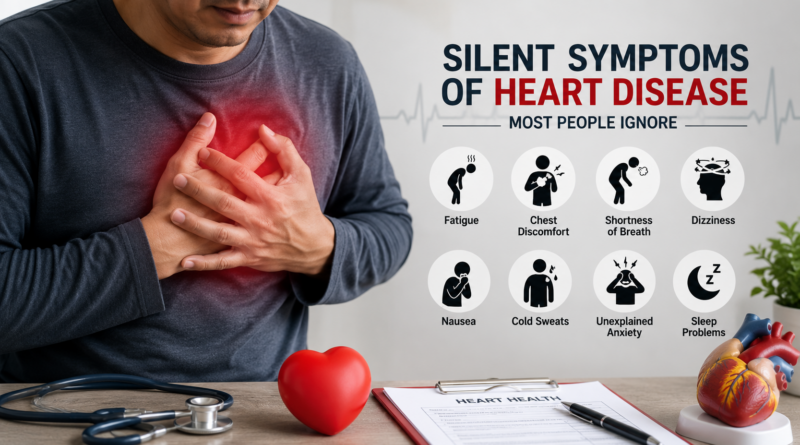
Silent Symptoms Of Heart Disease Most People Ignore
Heart disease remains one of the leading causes of death worldwide, yet many people ignore the early warning signs because symptoms can appear slowly and quietly over time.
Searches for “early signs of heart disease,” “silent heart attack symptoms,” and “heart health warning signs” continue increasing because many people now realize heart problems do not always begin with sudden chest pain.
In many cases, the body gives subtle signals long before a serious cardiac event happens. The problem is that these symptoms are often mistaken for stress, aging, fatigue, or minor health issues.
Understanding these warning signs may help people seek medical attention earlier and potentially prevent severe complications.
Fatigue Can Be An Early Warning Sign
Persistent fatigue is one of the most overlooked symptoms connected to heart disease.
Many people assume constant tiredness comes from busy schedules, poor sleep, or stress. However, unusual exhaustion may sometimes signal reduced blood flow and strain on the heart.
Searches for “why am I always tired” and “heart disease fatigue symptoms” continue rising because chronic fatigue can sometimes appear before more obvious heart problems develop.
Some people experience:
- Weakness during simple activities
- Reduced stamina
- Feeling exhausted without clear reason
- Difficulty recovering after physical effort
Fatigue becomes more concerning when it appears suddenly or continues despite proper rest.
Chest Discomfort Is Not Always Severe
Many people believe heart disease always causes dramatic chest pain, but symptoms are often much milder.
Some individuals feel:
- Tightness
- Pressure
- Burning
- Mild discomfort
- Heaviness in the chest
Searches for “silent heart attack signs” increased after doctors warned that many cardiac symptoms can feel subtle rather than extreme.
In some cases, discomfort may spread into:
- The jaw
- Neck
- Shoulders
- Back
- Arms
Because symptoms vary widely, many people ignore them until the condition becomes more serious.
Useful heart health resources:
https://www.heart.org/
https://www.cdc.gov/heartdisease/
Shortness Of Breath Should Not Be Ignored
Difficulty breathing during normal activities may sometimes indicate heart problems.
People often assume shortness of breath comes only from poor fitness or aging, but heart disease can reduce the body’s ability to circulate oxygen effectively.
Searches for “why am I short of breath” and “heart failure symptoms” continue increasing because breathing problems are commonly linked to cardiovascular health.
Some people notice:
- Breathlessness while walking
- Difficulty climbing stairs
- Trouble breathing while lying down
- Unusual exhaustion after mild activity
These symptoms may gradually worsen over time.
Dizziness And Nausea Can Also Signal Problems
Heart disease does not always appear as chest pain alone. Some people experience dizziness, nausea, sweating, or lightheadedness.
These symptoms may happen because the heart struggles to pump blood efficiently.
Searches for “heart attack symptoms in women” have grown because women sometimes experience less obvious warning signs compared to men.
In some cases, symptoms may include:
- Cold sweats
- Sudden dizziness
- Upset stomach
- Fainting
- Unexplained anxiety
This is one reason doctors encourage people not to ignore unusual body changes.
Lifestyle Habits Increase Heart Disease Risk
Heart disease risk is strongly connected to daily habits and overall health.
Major risk factors include:
- Smoking
- High blood pressure
- Obesity
- Diabetes
- Poor diet
- Lack of exercise
- Chronic stress
Searches for “how to improve heart health naturally” continue increasing because more people want preventive health strategies.
Doctors often recommend:
- Regular physical activity
- Balanced nutrition
- Better sleep
- Stress reduction
- Routine medical checkups
Small lifestyle improvements may reduce long-term cardiovascular risk significantly.
Why Regular Health Checkups Matter
One dangerous aspect of heart disease is that serious damage may develop before symptoms become obvious.
Some people discover heart problems only after experiencing a heart attack or major medical emergency.
Regular medical screenings can help identify:
- High cholesterol
- Blood pressure problems
- Diabetes
- Irregular heart rhythms
- Early cardiovascular disease
Searches for “heart disease prevention” and “best heart health tips” show that preventive healthcare awareness continues growing worldwide.
Early detection often improves treatment outcomes significantly.
Mental Stress And Heart Health
Long-term stress affects both mental and physical health. Chronic stress may increase blood pressure, inflammation, and unhealthy habits that contribute to heart disease.
Modern lifestyles filled with poor sleep, work pressure, unhealthy eating, and limited exercise can quietly affect cardiovascular health over time.
People searching “stress and heart disease” are increasingly learning that emotional health and heart health are closely connected.
Taking care of mental well-being is now considered an important part of overall cardiovascular care.
Final Thoughts
Heart disease symptoms are not always dramatic or obvious. Fatigue, mild chest discomfort, shortness of breath, dizziness, and nausea are warning signs many people ignore until serious complications develop.
Understanding these silent symptoms and improving lifestyle habits may help reduce long-term cardiovascular risk. Early medical attention, regular health checkups, and healthier daily routines remain some of the best ways to protect heart health over time.