Iran-US Tensions Escalate Despite Ceasefire Talks
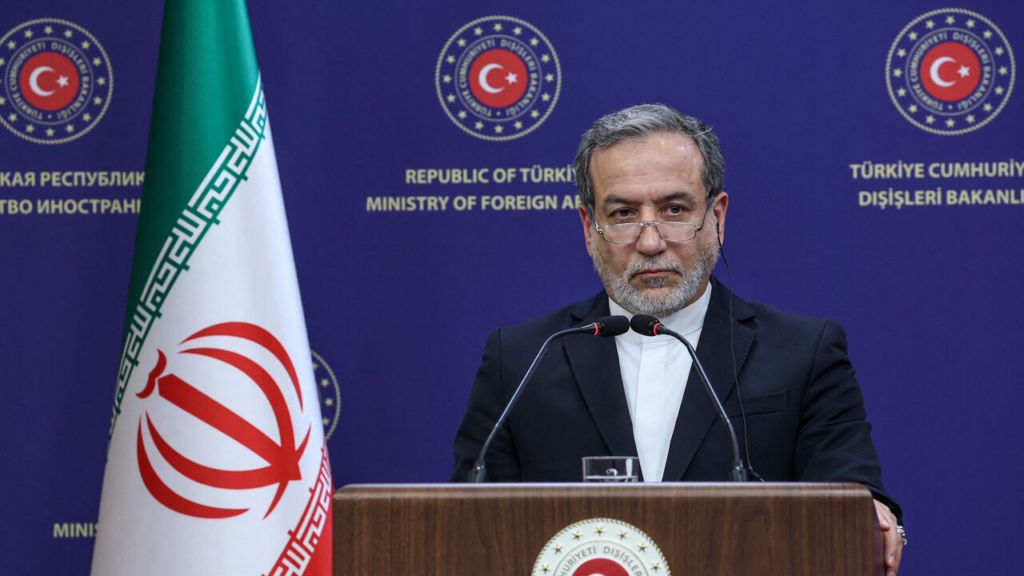
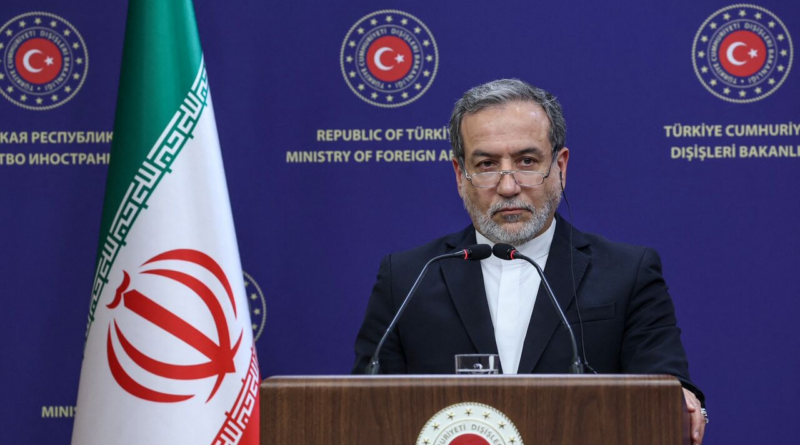
Foreign Minister Abbas Araghchi said Iran would not bow to US pressure
Tensions between Iran and the United States have increased again, even as diplomatic talks continue behind the scenes. Iran’s Foreign Minister, Abbas Araghchi, accused the US of choosing military action whenever diplomacy appears possible.
In a post shared on X, Araghchi said Iran would “never bow to pressure.” His comments came after both countries blamed each other for new attacks in the Strait of Hormuz, one of the world’s most important shipping routes.
Strait of Hormuz Conflict Deepens
The situation in the Strait of Hormuz has become increasingly dangerous over the past week. Iran has tightened its control over the waterway and launched attacks against US allies in the Gulf in response to American and Israeli military actions.
Around 20% of the world’s oil and liquefied natural gas passes through the Strait of Hormuz. Any disruption in the area quickly affects global energy prices, and recent clashes have already caused oil prices to rise sharply.
Earlier this week, Donald Trump ordered a military operation to free nearly 2,000 ships stranded in the region since February. The operation was later paused, but US naval forces remain active in the area.
At the same time, the US continues to enforce a naval blockade on Iranian ports. Washington says the move is designed to pressure Tehran into accepting American terms during negotiations. Iran, however, views the blockade as a direct act of aggression.
US and Iran Exchange New Accusations
On Friday, US Central Command said American forces stopped two Iranian-flagged oil tankers from entering an Iranian port in the Gulf of Oman. According to the US military, the ships violated the ongoing blockade.
Centcom stated that US forces used “precision munitions” to disable the tankers without sinking them. Officials also claimed more than 70 tankers are currently being prevented from entering or leaving Iranian ports.
Iran strongly rejected the accusations and instead blamed the US for attacking Iranian vessels and coastal areas near the Strait of Hormuz.
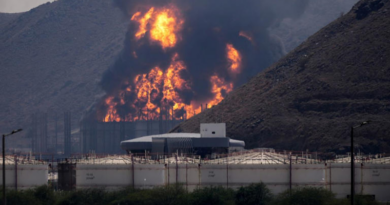
Iranian officials said one cargo vessel near Minab caught fire during the attacks. Local authorities reported that at least 10 injured sailors were taken to hospital, while rescue teams continued searching for missing crew members.
Meanwhile, the US accused Iran of launching drones, missiles, and small attack boats toward American warships in what it described as an “unprovoked attack.”
Trump later posted on Truth Social that US forces had destroyed several Iranian drones and boats. He warned that future military responses would be “much harder” if Iran failed to agree to a deal quickly.
Ceasefire Talks Continue Despite Violence
Despite the growing conflict, both sides say the ceasefire agreement remains active. The ceasefire was intended to create space for broader negotiations aimed at ending the war involving Iran, the US, and Israel.
US Secretary of State Marco Rubio said Iran was expected to respond to American proposals on Friday. Speaking during a visit to Italy, Rubio said he hoped Tehran would present a “serious offer.”
At the same time, Washington signaled support for another round of Israel-Lebanon talks next week. The discussions are expected to focus on reducing violence between Israeli forces and the Iranian-backed Hezbollah group in Lebanon.
The US and Israel insist that any long-term agreement must include Hezbollah’s disarmament. Hezbollah, however, continues to reject the negotiations.
A fragile ceasefire was reached earlier, but repeated violations from both sides have weakened confidence in the agreement.
Regional Diplomacy and Pakistan’s Role
Diplomatic efforts are also expanding beyond the Gulf region. US Vice-President JD Vance met Qatar’s Prime Minister, Mohammed bin Abdulrahman Al Thani, in Washington to discuss mediation efforts involving Pakistan.
Qatar urged all sides to continue negotiations and focus on resolving the “root causes of the crisis” to achieve long-term peace in the region.
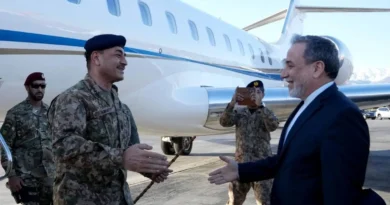
Pakistan’s involvement as a mediator highlights growing international concern that the conflict could spread further across the Middle East if tensions continue to rise.
Global Concerns Continue to Grow
The latest developments have increased fears of a wider regional conflict. Continued fighting in the Strait of Hormuz threatens global trade, energy supplies, and international security.
World leaders are now pushing for urgent diplomatic solutions before military actions spiral further out of control. However, with both Iran and the US continuing to exchange threats and accusations, the path toward peace remains uncertain.