Japan pledges $10bn to help Asian countries deal with oil crisis
Japan has promised to give 10 billion dollars to help countries in Asia. This money will be used to make sure these countries can get enough energy, especially oil. Many countries in Asia are facing problems because of the war involving Iran. This war has disturbed the supply of oil and energy.
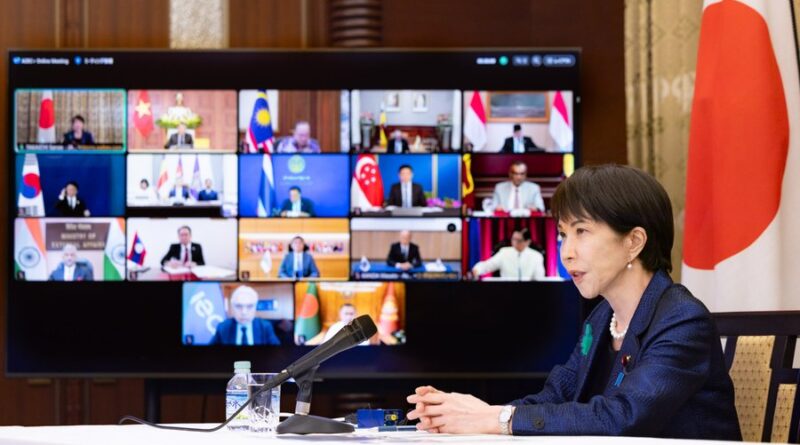
Japan’s Prime Minister, Sanae Takaichi, shared this plan after an online meeting with leaders from other Asian countries. She said that countries in Asia are closely connected. They depend on each other for goods and supplies.
Japan also depends on other Asian countries. For example, it gets important products made from oil, such as medical equipment, from South East Asia. This is why Japan wants to help keep supply chains strong. A supply chain is the system that moves goods from one place to another.
The plan by Japan is meant to help countries buy oil and other fuel products. It will also help them store more oil for future use. Having extra oil stored can help during emergencies.
Asia is very dependent on oil that travels through a place called the Strait of Hormuz. This is a narrow water route where ships carry oil and gas. Almost 90% of the oil passing through this route goes to Asian countries. If there is a problem in this area, many countries in Asia are affected.
The 10 billion dollars that Japan is offering is a very large amount. It is almost equal to what some Asian countries spend on oil in a whole year. This shows how serious the situation is.
Leaders from many countries welcomed Japan’s plan. These countries include the Philippines, Malaysia, Singapore, Thailand, Vietnam, Bangladesh, and South Korea. They all agreed that working together is important during this crisis.
The money for this plan will come from different sources. Some of it will come from Japanese government-supported organizations. These include banks and insurance groups that help with international trade and investment. Other support will come from development organizations that work across Asia.
Prime Minister Takaichi also said that helping other countries will not harm Japan’s own oil supply. Japan has stored a large amount of oil for emergencies. At the end of 2025, Japan had enough oil stored to last for 254 days.
However, the current energy crisis has forced Japan to use some of its reserves. Last month, Japan released a record amount of oil from its storage. It released enough oil to cover 50 days of use. The government has also said it will release more oil soon.
There is another concern in Japan related to a product called naphtha. Naphtha is made from crude oil and is used to make plastics. Many important items, especially medical supplies, are made using naphtha.
Hospitals depend on these supplies every day. Items like syringes, gloves, and dialysis machines all need materials made from naphtha. If there is a shortage, it could create serious problems for healthcare.
The government has said there is no immediate danger. However, people are still worried. Japan already has an ageing population, which means more people need medical care. A shortage of supplies could put extra pressure on the healthcare system.
Other countries in South East Asia are also facing problems. Oil prices have gone up, making it more expensive for people and businesses. Governments are asking people to save energy.
In some places, people are being told to share rides instead of using separate cars. They are also being asked to use less air conditioning. These small steps can help reduce energy use.
The Philippines is facing a serious situation. The government has declared a national energy emergency. This means the country is taking strong steps to manage its energy supply.
At the same meeting hosted by Japan, the president of the Philippines, Ferdinand Marcos Jr, spoke about the crisis. He said that no country in Asia can deal with this problem alone. He asked countries to work together and share fuel if needed.
His message was clear. Cooperation is very important during difficult times. When countries support each other, they can handle challenges better.
In simple terms, Asia is facing a big energy problem because of the war and rising oil prices. Japan is trying to help by providing money and support. This will help countries buy oil, store it, and keep their supply systems running.
Even though the situation is serious, countries are working together to find solutions. Their goal is to make sure people have the energy they need and to avoid bigger problems in the future.
The coming months will be important. Decisions made now will affect how well countries can handle this crisis. Working together and planning ahead will be the key to staying strong during this time.