How AI is Changing Our Daily Life in 2026
Artificial Intelligence (AI) has rapidly become an essential part of our everyday lives. In 2026, AI is no longer limited to tech companies or research labs—it is now deeply integrated into how we live, work, and communicate. From the moment we wake up to the time we go to sleep, AI silently assists us in making life easier, faster, and more efficient.
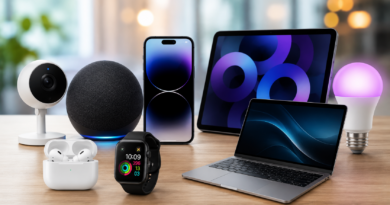
One of the most common uses of AI is in smart devices. Smartphones, smartwatches, and home assistants can now understand voice commands, set reminders, control home appliances, and even monitor our health. These tools learn from our behavior and provide personalized suggestions, making daily tasks more convenient.
In education, AI is transforming how students learn. Many platforms now offer AI-powered tutoring systems that adapt to each student’s learning pace. Students can get instant answers, explanations, and even personalized study plans. This has made learning more accessible and efficient, especially for those studying online.
AI is also playing a major role in online work and freelancing. Content writers use AI tools to generate ideas, developers use AI to write and debug code, and designers use AI for faster and more creative outputs. This has increased productivity and opened new opportunities for people to earn online. However, it also means that individuals must continuously upgrade their skills to stay competitive.
Another area where AI is making a big impact is entertainment and social media. Platforms now use AI algorithms to recommend videos, posts, and products based on user interests. This keeps users engaged but also raises concerns about screen addiction and data privacy. Users should be mindful of how much time they spend online and how their data is being used.
In the field of healthcare, AI is helping doctors diagnose diseases faster and more accurately. AI-powered systems can analyze medical data, detect patterns, and suggest treatments. This not only saves time but can also save lives by identifying health issues early.
Despite all these advantages, AI also comes with challenges. Issues like job automation, data privacy, and over-dependence on technology are becoming more serious. Many traditional jobs are being replaced by automated systems, which can lead to unemployment if people do not adapt.
In conclusion, AI is a powerful tool that is shaping the future of our world. It brings convenience, efficiency, and innovation, but it also requires responsible use. As AI continues to evolve, the key is to balance its benefits with ethical considerations. By learning and adapting, we can make the most of AI while minimizing its risks.